Explore our extensive blog library for insights, tips, and industry updates
Discover the truth behind common myths about pharmacovigilance careers in India. Learn about AI impact, job saturation, fresher opportunities, eligibility, and the real value of pharmacovigilance training from ThePharmaDaily.

Pharmacovigilance interview failure is one of the biggest challenges faced by pharmacy and medical graduates in 2026. Despite learning interview questions and theoretical concepts, many freshers continue to face repeated rejections due to lack of practical exposure, insufficient pharmacovigilance training, absence of safety database knowledge, and poor understanding of industry-required skills. This detailed blog by ThePharmaDaily explains the real reasons pharmacovigilance freshers fail interviews, including overdependence on theory, no experience with pharmacovigilance software such as Argus Safety and Veeva Vault, lack of ICSR case processing knowledge, poor narrative writing skills, and limited exposure to MedDRA and WHODrug coding. The article further highlights why modern pharmacovigilance professionals must learn Gen AI and GPT tools, Power BI and Tableau dashboards, technical safety skills, communication abilities, HR interview preparation, GD–PI training, HERO self-introduction techniques, and salary negotiation strategies. It also explains the importance of ATS-friendly resumes, professional cover letters, proper email etiquette, and industry-aligned interview preparation — skills that most freshers ignore and ultimately fail due to. This SEO-optimized guide provides a complete roadmap to become job-ready through structured pharmacovigilance training offered by ThePharmaDaily, helping candidates build practical knowledge, confidence, and long-term career stability in the global pharmacovigilance industry.
India has emerged as a global hub for pharmacovigilance operations, creating massive demand for trained drug safety professionals across pharmaceutical companies and CROs. This detailed guide explores the top companies hiring for pharmacovigilance in India, including multinational pharma companies, leading CROs, and Indian pharmaceutical organizations. The blog provides a city-wise list of pharmacovigilance companies in Bangalore, Hyderabad, Pune, Mumbai, Delhi NCR, and Chennai, along with the most in-demand pharmacovigilance job roles such as Drug Safety Associate, Case Processing Specialist, Aggregate Report Writer, and Safety Scientist. You will also learn what recruiters expect from candidates, the skills required to enter the drug safety industry, and why professional pharmacovigilance training has become essential for both freshers and experienced life science graduates. This article highlights how ThePharmaDaily pharmacovigilance training program bridges the industry skill gap through practical ICSR case processing, regulatory guidelines, MedDRA and WHODrug coding, narrative writing, and aggregate reporting training. Whether you are a pharmacy graduate, medical graduate, or life sciences professional, this guide explains how enrolling in structured pharmacovigilance training from ThePharmaDaily can significantly improve your chances of getting hired by top pharma and CRO companies in India. Explore the complete pharmacovigilance training program here: https://thepharmadaily.com/pharmacovigilance-training
This comprehensive guide explains the essential Generative AI tools and professional skills required for pharmacovigilance jobs in India. The blog covers advanced Gen AI platforms such as ChatGPT, Google Gemini, Perplexity AI, Grok, Claude AI, Elicit, Scite, and data analytics tools like Power BI, along with core regulatory knowledge including ICH guidelines, GVP modules, ICSR processing, signal detection, and aggregate reporting. Designed for pharmacy, medical, life science graduates, and working professionals, this article highlights how modern pharmacovigilance roles are evolving with artificial intelligence and automation. It explains why structured pharmacovigilance training is crucial before using AI tools and how industry-aligned learning ensures regulatory compliance. Through expert insights from ThePharmaDaily, the blog demonstrates how proper pharmacovigilance training helps candidates gain hands-on exposure to real-world safety workflows, AI-assisted case processing, narrative writing, MedDRA coding logic, literature screening, and safety data analytics. Whether you are a fresher, experienced professional, or transitioning into drug safety, this blog provides a complete roadmap to building a successful pharmacovigilance career in India using Generative AI skills backed by domain expertise.
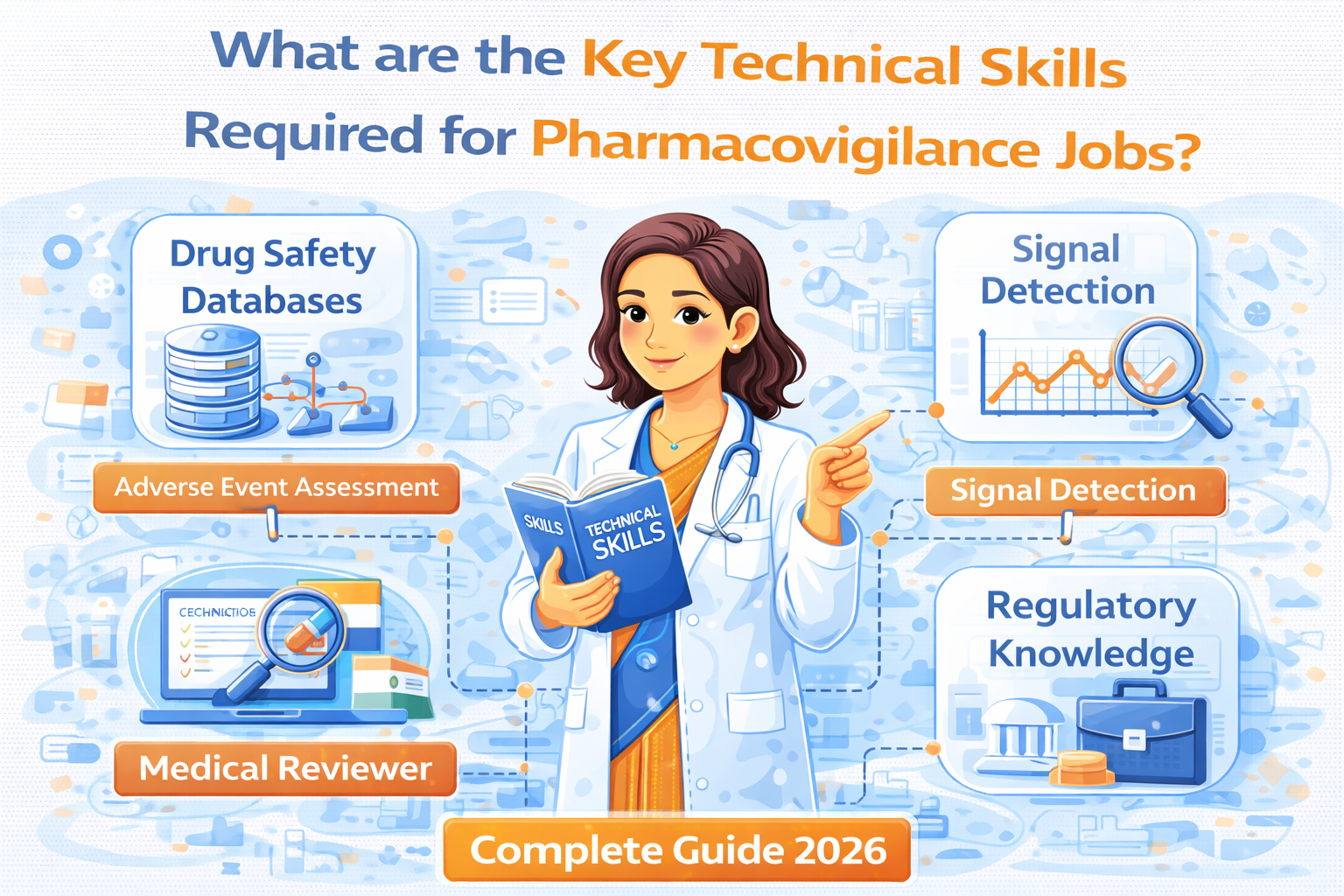
Pharmacovigilance has emerged as one of the fastest-growing career domains in the pharmaceutical and clinical research industry in India. With increasing global regulatory inspections, strict reporting timelines, and advanced safety databases, companies now demand professionals equipped with strong technical pharmacovigilance skills. This in-depth blog by ThePharmaDaily explains the complete set of technical skills required for pharmacovigilance jobs in India, covering real industry expectations rather than just academic theory. From ICSR processing and MedDRA coding to WHO Drug Dictionary, seriousness assessment, expectedness evaluation, regulatory reporting timelines, safety database usage, narrative writing, signal detection, and aggregate reporting — every essential skill is explained in detail. Designed for pharmacy graduates, medical graduates, life science professionals, and freshers, this guide highlights why structured pharmacovigilance training is now mandatory for securing drug safety roles in top pharmaceutical companies and CROs. The blog also explains how practical exposure through industry-oriented pharmacovigilance training by ThePharmaDaily helps professionals gain hands-on experience in real case processing, global regulatory compliance, safety systems, and inspection-ready workflows. If you are planning to build a long-term career in drug safety, this blog serves as a complete roadmap to understand what recruiters expect and how professional pharmacovigilance training can help you become job-ready in today’s competitive market.
Pharmacovigilance salary in India has become one of the most searched career topics among pharmacy and medical graduates. With the global pharmaceutical industry expanding rapidly, drug safety and pharmacovigilance professionals are witnessing strong salary growth from fresher to senior leadership roles. This detailed guide explains the complete pharmacovigilance salary structure in India, including entry-level drug safety associate salary, pharmacovigilance salary after 2, 5, and 10 years of experience, and global career growth opportunities. The blog also covers salary comparisons across CROs, IT companies, pharmaceutical sponsors, and multinational organizations. You will gain clear insights into how education background, hands-on experience, regulatory knowledge, and professional pharmacovigilance training directly impact salary progression. It also explains how enrolling in a structured 3 months hands-on pharmacovigilance training at ThePharmaDaily can significantly increase placement chances, interview performance, and long-term earning potential. Whether you are a fresher, working professional, or planning a career transition, this guide provides realistic salary data, job role clarity, and career roadmap to succeed in pharmacovigilance in India and globally.
This comprehensive guide on pharmacovigilance interview questions for freshers covers detailed explanations of drug safety concepts, ICSR case processing, seriousness assessment, regulatory timelines, MedDRA coding, causality evaluation, and global reporting requirements. Designed for pharmacy, medical, life science, and clinical research graduates, this blog explains real-world pharmacovigilance workflows exactly as expected by recruiters in global pharmaceutical companies. Readers will gain in-depth understanding of Individual Case Safety Reports (ICSRs), Day 0 calculation, adverse event reporting, expectedness assessment, SUSAR handling, aggregate reporting, and risk management planning. To strengthen interview readiness and practical exposure, the article highlights the importance of joining a structured 3-month hands-on pharmacovigilance training program at ThePharmaDaily, aligned with industry databases and regulatory guidelines. This blog is ideal for freshers preparing for drug safety associate roles, pharmacovigilance executive positions, and entry-level PV jobs across India and globally.
This detailed guide explains how to get a pharmacovigilance job without experience and provides a complete roadmap for freshers and healthcare graduates. The blog covers pharmacovigilance fundamentals, eligibility criteria, required skills, ICSR processing knowledge, narrative writing, regulatory timelines, and interview preparation strategies. It also explains how joining a 3 months hands-on pharmacovigilance training at ThePharmaDaily helps candidates gain real-world exposure, improve resume shortlisting, and significantly increase selection chances in drug safety roles across pharmaceutical companies and CROs.
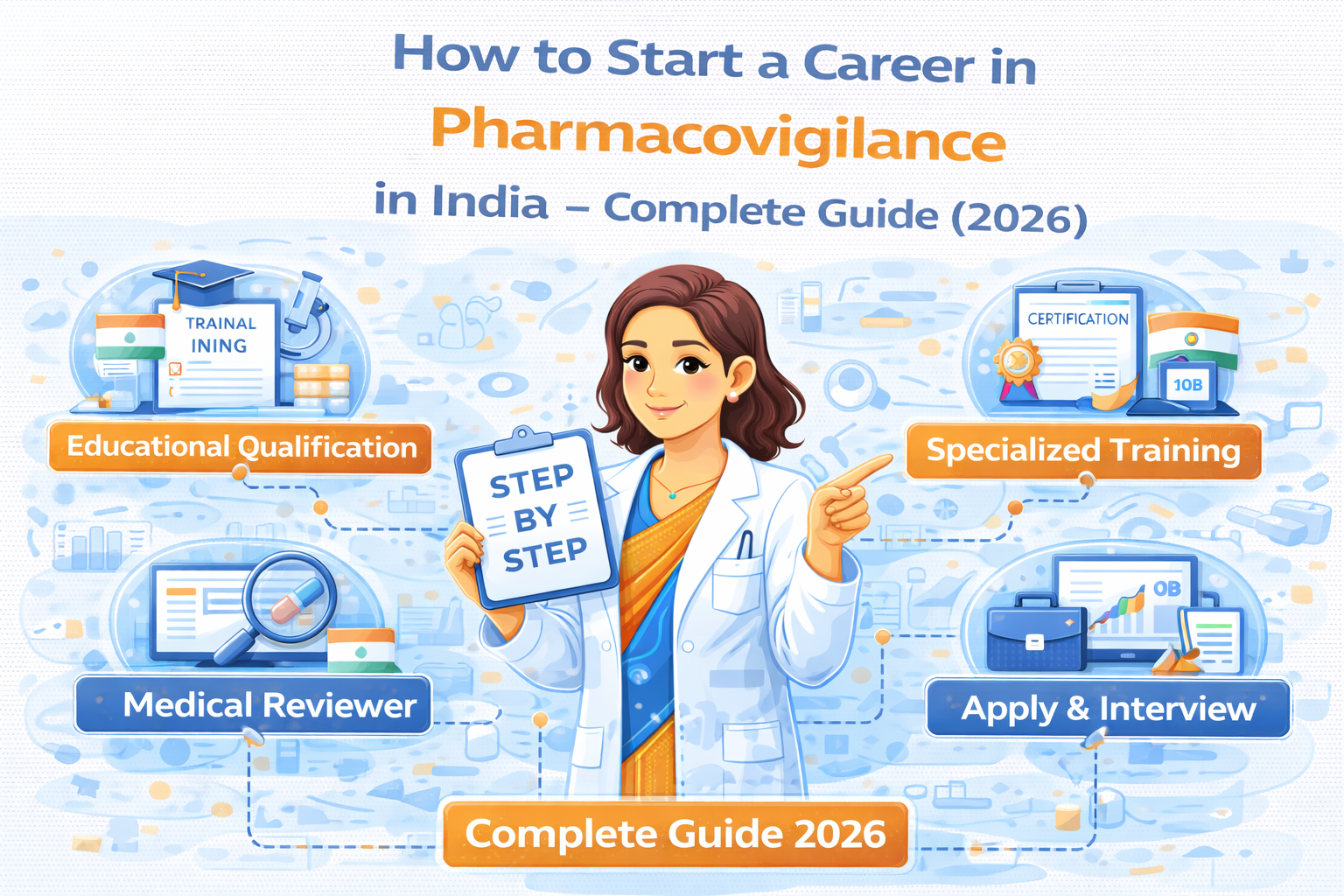
This complete guide explains how freshers can start a career in pharmacovigilance in India. Learn about pharmacovigilance job roles, eligibility criteria, required skills, salary structure, resume preparation, interview questions, and career growth pathways. The blog provides detailed insights into ICSR processing, drug safety associate roles, clinical safety, pharmacovigilance software, regulatory guidelines, and industry expectations. Designed for pharmacy, life science, and medical graduates, this guide also explains how structured pharmacovigilance training from ThePharmaDaily helps freshers secure entry-level drug safety jobs in pharmaceutical companies, CROs, and global safety organizations. Ideal for students searching for pharmacovigilance jobs for freshers in India, drug safety career guidance, and professional pharmacovigilance training programs.
Pharmacovigilance has become one of the fastest-growing and most stable career paths in the global pharmaceutical industry. With increasing drug approvals, strict regulatory requirements, and continuous safety monitoring obligations, trained pharmacovigilance professionals are in high demand across India and worldwide. This detailed eligibility guide by ThePharmaDaily explains who can do pharmacovigilance and which academic backgrounds qualify for a successful drug safety career. The blog covers complete pharmacovigilance eligibility for BPharm, MPharm, MBBS, BDS, BAMS, BHMS, BSc, MSc Life Sciences, Biotechnology, and Clinical Research graduates, along with clarity for freshers and working professionals. You will learn how pharmacovigilance training plays a critical role in securing drug safety jobs, what recruiters expect from candidates, and why practical ICSR-based learning is essential to enter the industry. Whether you are a pharmacy student, medical graduate, life science professional, or career switcher, this guide provides clear answers on eligibility, job roles, and growth opportunities. Designed with advanced SEO, GEO targeting, and Google AI Overview optimization, this blog helps aspirants understand the real requirements for entering pharmacovigilance and choosing the right training pathway. Explore industry-oriented pharmacovigilance training by ThePharmaDaily and begin your journey toward a globally recognized drug safety career.