 Sign in with Google


Who Can Do Pharmacovigilance? Eligibility for Pharmacy & Medical Graduates
Introduction: Why Pharmacovigilance Has Become One of the Most Sought-After Careers
Over the past decade, the pharmaceutical and healthcare industries have undergone a massive transformation. New drugs are launched every year, clinical trials have expanded globally, and regulatory authorities have tightened safety monitoring requirements across all countries.
In this rapidly evolving environment, pharmacovigilance has emerged as one of the most stable, respected, and globally relevant career paths.
Whether it is the US FDA, EMA, MHRA, or CDSCO, every regulatory authority mandates continuous safety monitoring of medicines throughout their life cycle. This growing responsibility has created a strong global demand for trained pharmacovigilance professionals.
However, one question continues to dominate student searches online:
Who can do pharmacovigilance?
What is the eligibility for pharmacovigilance training and jobs?
This blog provides a complete, degree-wise explanation of pharmacovigilance eligibility and clarifies whether your educational background qualifies you for a career in drug safety.
What Is Pharmacovigilance?
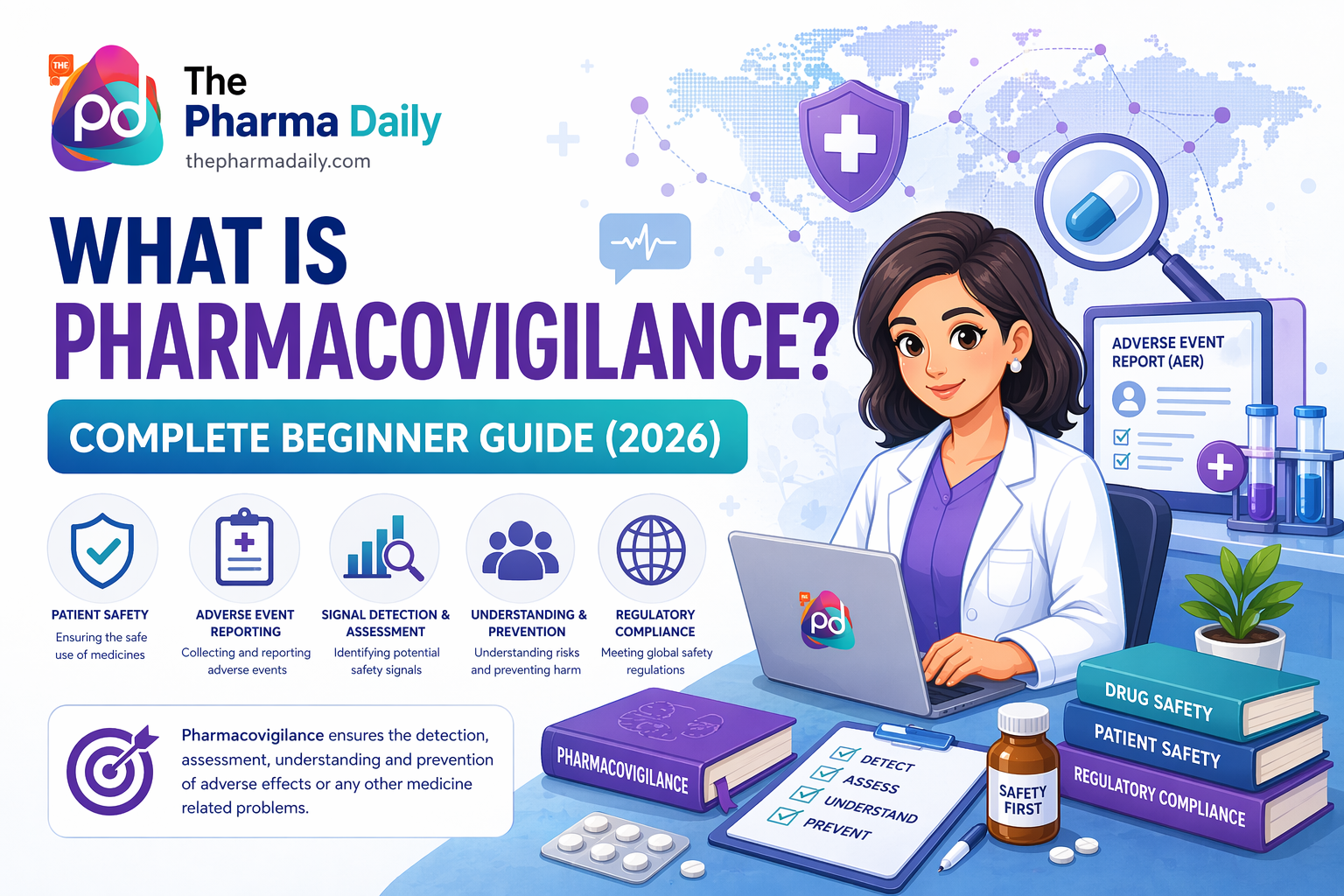
Pharmacovigilance is the science and activity related to the detection, assessment, understanding, and prevention of adverse effects or any other drug-related problems.
In simple terms, pharmacovigilance ensures that medicines remain safe for patients after approval and during real-world use.
Pharmacovigilance professionals are responsible for:
- Monitoring adverse drug reactions reported worldwide
- Processing Individual Case Safety Reports (ICSRs)
- Performing seriousness and causality assessment
- Writing accurate medical narratives
- Conducting signal detection and risk evaluation
- Preparing aggregate safety reports such as PSUR, PBRER, and DSUR
- Submitting safety data to global regulatory authorities
Because patient safety is legally mandatory, pharmacovigilance remains one of the most recession-resistant domains within the pharmaceutical industry.
Who Can Do Pharmacovigilance?
The most encouraging aspect of this field is that pharmacovigilance eligibility is broad and inclusive.
You do not need to be a doctor only. You do not need prior pharma industry experience. You do not need advanced coding or research degrees.
If your educational background is connected to medical science, pharmacy, or life sciences, you are eligible to pursue pharmacovigilance training.
Let us understand eligibility category by category.
Pharmacovigilance Eligibility for Pharmacy Graduates
BPharm Eligibility for Pharmacovigilance
BPharm graduates are among the most preferred candidates for entry-level pharmacovigilance roles.
The BPharm curriculum already includes:
-
Pharmacology
-
Adverse drug reactions
-
Therapeutics
-
Drug regulations
This makes the transition into pharmacovigilance smoother.
Common job roles after pharmacovigilance training include:
-
Drug Safety Associate
-
Pharmacovigilance Executive
-
ICSR Case Processor
With structured pharmacovigilance training and real-time case practice, BPharm graduates can easily enter CROs and multinational pharmaceutical companies.
For skill-based learning, candidates are advised to undergo professional pharmacovigilance training through platforms such as ThePharmaDaily.
https://thepharmadaily.com/pharmacovigilance-training
MPharm Eligibility for Pharmacovigilance
MPharm graduates hold strong eligibility and faster career growth in pharmacovigilance.
Preferred specializations include:
-
Pharmacology
-
Clinical Pharmacy
-
Pharmacy Practice
-
Pharmaceutics
Due to advanced drug knowledge and research exposure, MPharm candidates are often hired for:
-
Senior Drug Safety Associate roles
-
Medical review support
-
Aggregate report preparation
-
Safety scientist positions
Professional pharmacovigilance training enhances regulatory knowledge and improves global job opportunities.
Learn more at:
https://thepharmadaily.com/pharmacovigilance-training
Pharmacovigilance Eligibility for Medical Graduates
MBBS Eligibility for Pharmacovigilance
MBBS graduates are highly valued in pharmacovigilance departments due to their clinical expertise.
They are commonly employed in:
-
Medical review
-
Signal detection
-
Risk management
-
Benefit–risk assessment
Many doctors choose pharmacovigilance because it offers:
-
Fixed working hours
-
Corporate career stability
-
International exposure
-
Better work-life balance compared to hospitals
Targeted pharmacovigilance training helps MBBS professionals transition effectively from clinical practice to pharmaceutical safety roles.
https://thepharmadaily.com/pharmacovigilance-training
BDS, BAMS, and BHMS Eligibility
Graduates from alternative and allied medical sciences are also eligible for pharmacovigilance.
This includes:
-
BDS (Dental)
-
BAMS (Ayurveda)
-
BHMS (Homeopathy)
Most begin their careers as Drug Safety Associates or Case Processing Executives.
With proper pharmacovigilance training, they perform equally well in global safety databases and regulatory projects.
Pharmacovigilance Eligibility for Science and Life Science Graduates
Candidates from the following backgrounds are eligible:
-
BSc Life Sciences
-
BSc Biotechnology
-
BSc Microbiology
-
MSc Biotechnology
-
MSc Clinical Research
-
MSc Pharmacology
Although medical terminology may initially be challenging, comprehensive pharmacovigilance training fully bridges this gap.
Thousands of life science graduates currently work successfully in multinational drug safety operations.
https://thepharmadaily.com/pharmacovigilance-training
Can Freshers Do Pharmacovigilance?
Yes. Pharmacovigilance is one of the most fresher-friendly domains in the pharmaceutical industry.
Companies regularly hire freshers because:
-
Work is process-driven
-
Training is structured
-
Skills matter more than experience
What recruiters evaluate includes:
-
Understanding of ICSR workflow
-
Knowledge of seriousness criteria
-
Familiarity with MedDRA and WHO-DD
-
Awareness of global reporting timelines
This is why professional pharmacovigilance training becomes essential before applying for jobs.
Is Pharmacovigilance Only for Pharmacy Students?
No. This is a common misconception.
Modern pharmacovigilance teams include professionals from:
-
Pharmacy
-
Medicine
-
Dentistry
-
Ayurveda and Homeopathy
-
Biotechnology
-
Clinical research
-
Life sciences
What matters is not the degree title but the ability to perform accurate drug safety assessment.
This competency is developed through hands-on pharmacovigilance training.
Why Pharmacovigilance Training Is Mandatory
A university degree alone does not prepare candidates for industry expectations.
Pharmaceutical companies require professionals who can:
-
Process real adverse event cases
-
Write compliant narratives
-
Apply seriousness and causality logic
-
Follow ICH-GCP and GVP guidelines
-
Meet strict regulatory timelines
Professional pharmacovigilance training provides practical exposure to:
-
End-to-end ICSR lifecycle
-
Database workflows
-
Follow-up management
-
Global submission rules
-
Audit readiness
Without training, even eligible candidates struggle to clear interviews.
https://thepharmadaily.com/pharmacovigilance-training
Why Choose ThePharmaDaily Pharmacovigilance Training
ThePharmaDaily is a trusted pharma education platform focused on job-oriented, industry-aligned learning.
Key features include:
-
Practical real-world ICSR case studies
-
Hands-on database exposure
-
Interview-focused curriculum
-
Fresher-friendly teaching methodology
-
Training by experienced pharmacovigilance professionals
-
Career mentoring and placement guidance
ThePharmaDaily pharmacovigilance training program is designed to convert eligible graduates into employable drug safety professionals.
https://thepharmadaily.com/pharmacovigilance-training
Final Conclusion: Are You Eligible for Pharmacovigilance?
If you belong to any of the following categories, you are eligible:
-
BPharm or MPharm
-
MBBS, BDS, BAMS, or BHMS
-
BSc or MSc Life Sciences
-
Biotechnology graduates
-
Clinical research professionals
-
Freshers or working professionals
Pharmacovigilance is a long-term, global, skill-based career with consistent hiring demand.
With the right pharmacovigilance training, the right guidance, and structured practice, entering drug safety becomes achievable regardless of background.
Start Your Pharmacovigilance Career Today
Build your future in global drug safety with industry-focused pharmacovigilance training from ThePharmaDaily.
https://thepharmadaily.com/pharmacovigilance-training
Because patient safety depends on trained pharmacovigilance professionals.