 Sign in with Google


How to Get a Pharmacovigilance Job Without Experience?
Job Without Experience: The Reality Faced by Freshers Today
Searching for a job without experience has become one of the biggest challenges for graduates across India and globally. Every job portal seems to demand prior experience, even for entry-level roles. This creates confusion, anxiety, and frustration among freshers who ask one common question:
How can I get a job if every company asks for experience?
Among all pharmaceutical and healthcare career options, pharmacovigilance stands out as one of the very few domains where freshers can still enter the industry without prior work experience, provided they receive the right training and practical exposure.
Pharmacovigilance hiring does not depend purely on academic degrees. Instead, companies focus on whether the candidate understands real drug safety workflows, regulatory requirements, and case processing logic. This is why thousands of candidates successfully enter pharmacovigilance each year even without experience.
This blog provides a complete, honest, and practical roadmap to help you secure a pharmacovigilance job without experience.
What is Pharmacovigilance?
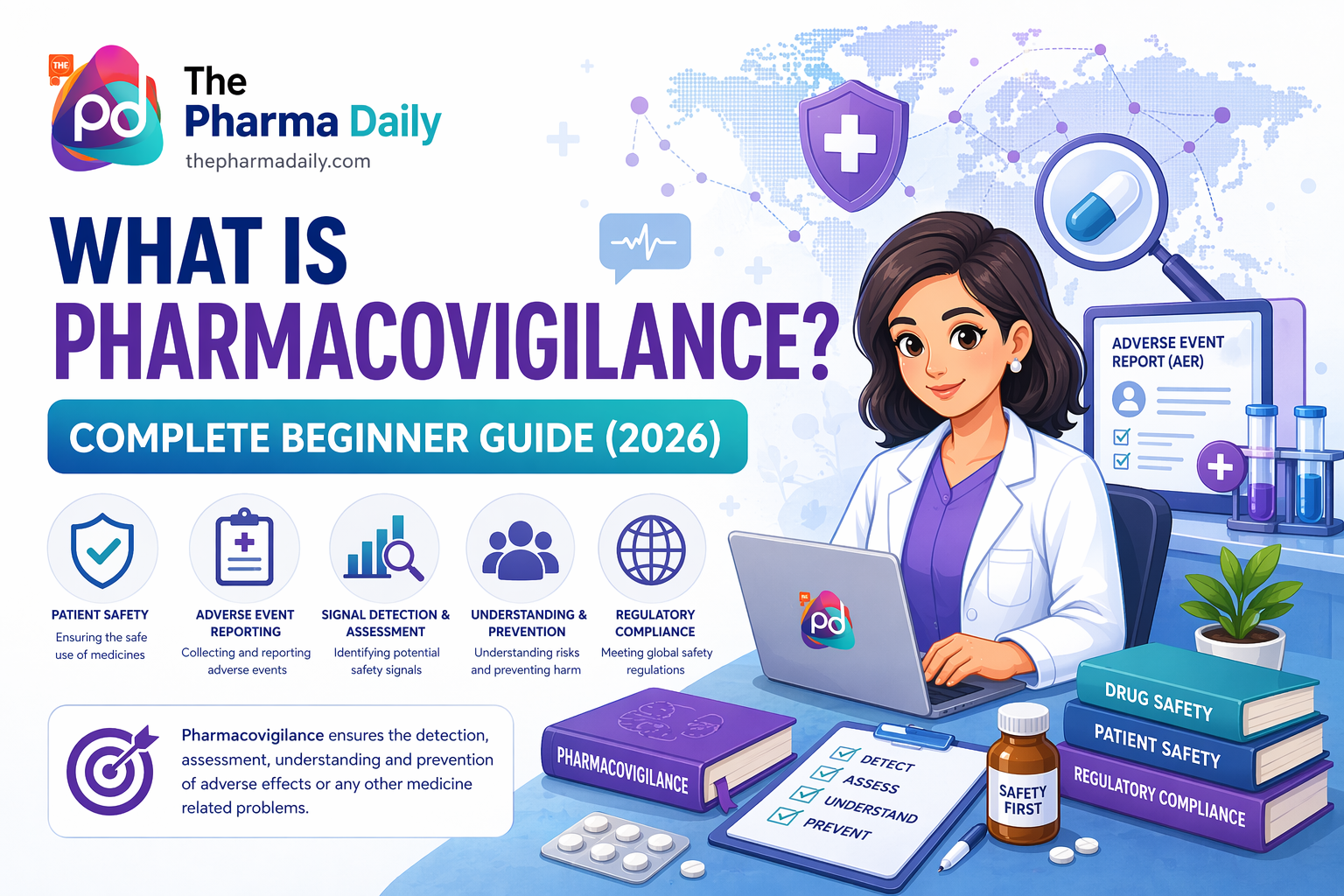
Pharmacovigilance is the science and process of monitoring the safety of medicines throughout their life cycle. It involves the detection, assessment, understanding, and prevention of adverse effects or any other drug-related problems.
Once a drug is approved and launched into the market, it is used by millions of patients across different populations. Clinical trials cannot detect every possible adverse reaction. Pharmacovigilance exists to monitor real-world safety data after drug approval.
Every pharmaceutical company, biotechnology firm, CRO, and marketing authorization holder is legally required to maintain a pharmacovigilance system.
This legal obligation makes pharmacovigilance a permanent and regulation-driven career.
Why Pharmacovigilance is a Strong Career Option for Freshers?
Pharmacovigilance is one of the most suitable career paths for candidates looking for a job without experience due to several reasons:
-
Entry-level hiring is common
-
Strong global regulatory demand
-
No laboratory or manufacturing exposure required
-
Office-based professional role
-
Global career mobility
-
Long-term stability and growth
Unlike production or quality control roles, pharmacovigilance does not require plant exposure or shift duties. The work is knowledge-based and process-driven.
What companies expect is not experience, but readiness.
Who is Eligible for Pharmacovigilance Jobs?
Candidates from multiple educational backgrounds can build a successful career in pharmacovigilance.
Eligible qualifications include:
-
B.Pharm and M.Pharm
-
Pharm.D
-
MBBS
-
BDS and MDS
-
BAMS and BHMS
-
BSc and MSc Life Sciences
-
Biotechnology
-
Nursing
-
Clinical research professionals
Even candidates from medical coding, healthcare operations, or clinical data roles can transition into pharmacovigilance through proper pharmacovigilance training.
Why Freshers Get Rejected in Pharmacovigilance Interviews?
Many candidates assume rejection happens because they lack experience. In reality, rejection happens because of lack of industry-level understanding.
Recruiters expect knowledge of:
-
Individual Case Safety Reports (ICSR)
-
Four validity criteria
-
Seriousness assessment
-
Expectedness evaluation
-
MedDRA coding
-
WHO Drug Dictionary coding
-
Narrative writing structure
-
Follow-up strategy
-
Day 0 concept
-
Global reporting timelines
-
ICH-GCP and GVP modules
These topics are rarely taught practically in colleges.
This knowledge gap is the primary reason why pharmacovigilance training becomes essential.
How to Get a Pharmacovigilance Job Without Experience? | Step-by-Step Guide
Step 1: Understand Core Pharmacovigilance Concepts
Before applying for any job, you must clearly understand:
-
What pharmacovigilance is
-
Why adverse event reporting is mandatory
-
Difference between AE, ADR, and SAE
-
How safety information flows from source to authority
-
Role of regulatory agencies such as FDA, EMA, MHRA, and CDSCO
This conceptual clarity builds your foundation.
Step 2: Enroll in Structured Pharmacovigilance Training
Self-study through videos or PDFs is rarely sufficient.
Companies prefer candidates who have completed hands-on pharmacovigilance training covering:
-
Real ICSR case processing
-
Case intake from different sources
-
Narrative writing practice
-
Seriousness and causality assessment
-
Expectedness evaluation
-
Follow-up query generation
-
Safety database workflow
A structured training program helps transform a fresher into an industry-ready professional.
The 3 months hands-on pharmacovigilance training at ThePharmaDaily is designed specifically for candidates without experience.
https://thepharmadaily.com/pharmacovigilance-training
Step 3: Gain Practical Case-Based Exposure
Pharmacovigilance interviews are case-oriented.
Interviewers test your ability to:
-
Identify valid cases
-
Apply seriousness criteria
-
Determine reportability
-
Write medically accurate narratives
-
Understand timeline calculations
Practical exposure during pharmacovigilance training is what differentiates selected candidates from rejected ones.
ThePharmaDaily pharmacovigilance training emphasizes hands-on case discussions, detailed narratives, and real-life scenarios.
https://thepharmadaily.com/pharmacovigilance-training
Step 4: Build a Pharmacovigilance-Specific Resume
Your resume must reflect drug safety readiness.
It should include:
-
Pharmacovigilance training certification
-
ICSR processing exposure
-
MedDRA and WHO-DD knowledge
-
Regulatory guideline familiarity
-
Case narrative experience
Generic resumes significantly reduce shortlisting chances.
Step 5: Prepare for Pharmacovigilance Interviews
Common interview topics include:
-
What are the four validity criteria?
-
What is Day 0?
-
What is seriousness?
-
Difference between AE and SAE
-
What is MedDRA?
-
What is causality assessment?
-
What are expedited reporting timelines?
All these areas are intensively covered during ThePharmaDaily pharmacovigilance training program.
https://thepharmadaily.com/pharmacovigilance-training
Can a 3-Months Pharmacovigilance Training Improve Job Chances?
Yes, when the training is practical and industry-focused.
The 3 months hands-on pharmacovigilance training at ThePharmaDaily provides:
-
Real-time safety case simulations
-
Industry-standard narrative writing
-
Regulatory logic building
-
Interview-oriented preparation
-
Fresher-focused mentoring
This dramatically improves:
-
Resume shortlisting
-
Interview confidence
-
Final job selection
Most successful candidates fail not due to lack of intelligence, but due to lack of structured guidance.
Entry-Level Pharmacovigilance Job Roles
After completing pharmacovigilance training, candidates can apply for:
-
Drug Safety Associate
-
Pharmacovigilance Associate
-
Safety Case Processor
-
ICSR Executive
-
Junior Drug Safety Specialist
These roles are designed for trained freshers.
Final Conclusion
Getting a pharmacovigilance job without experience is achievable.
However, it requires:
-
Strong conceptual clarity
-
Practical pharmacovigilance training
-
Case-based exposure
-
Interview-focused preparation
If you are serious about entering the drug safety industry, enrolling in a structured 3 months hands-on pharmacovigilance training at ThePharmaDaily can significantly increase your chances of success.
https://thepharmadaily.com/pharmacovigilance-training
Pharmacovigilance does not demand experience first.
It demands training, understanding, and confidence.
With the right learning path, freshers can successfully build a long-term and globally relevant career in pharmacovigilance.
Keywords: pharmacovigilance training, pharmacovigilance job without experience, drug safety jobs, PV training for freshers, ICSR training, pharmacovigilance course, thepharmadaily