 Sign in with Google

Pharmacovigilance
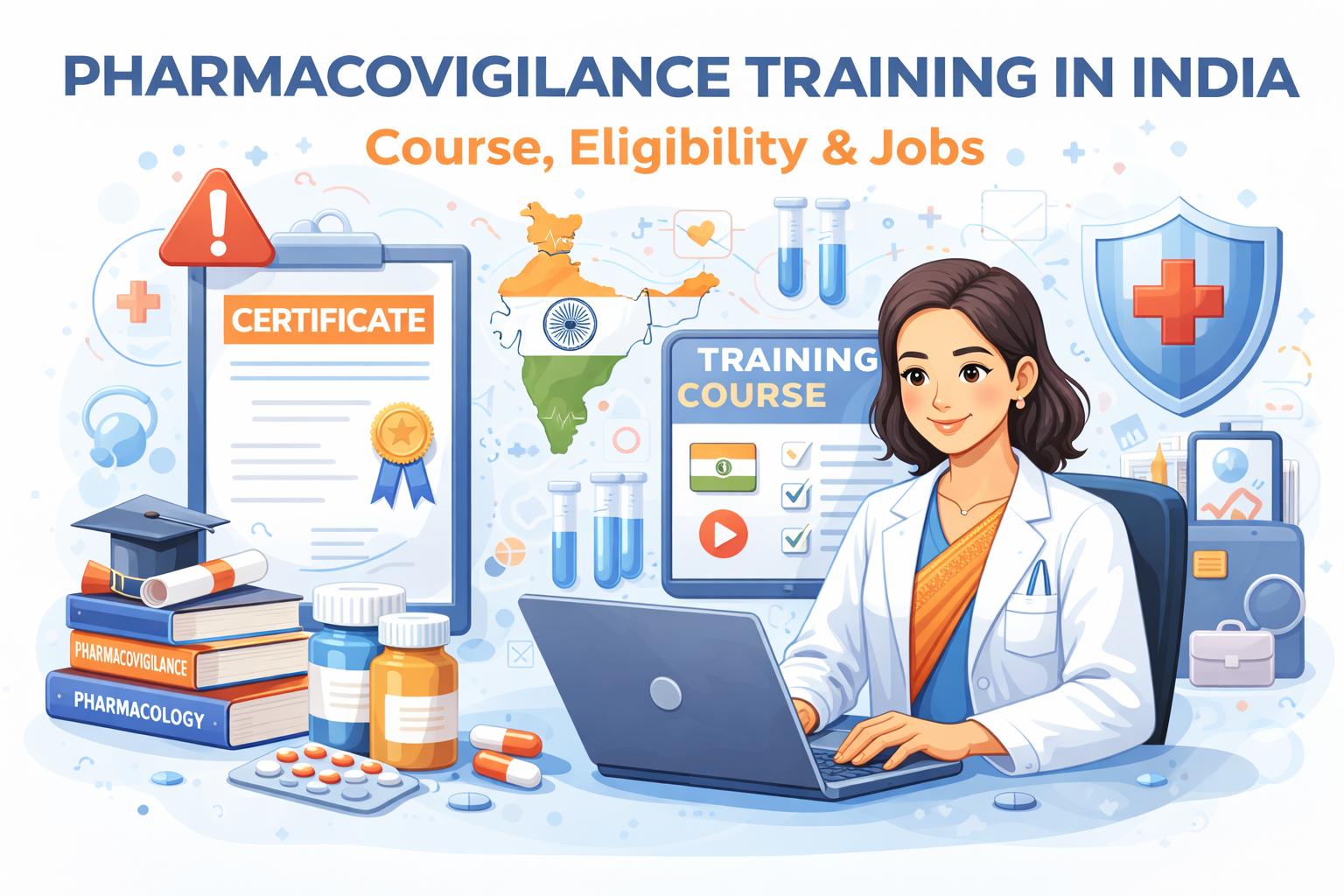
Training in India
:Course, Eligibility & Jobs
Over the past few years, the pharmaceutical industry has witnessed a clear shift in priorities. Drug safety is no longer treated as a secondary function handled quietly in the background. Today, pharmacovigilance sits at the core of regulatory compliance, patient safety, and ethical drug development. This shift has directly contributed to the growing demand for pharmacovigilance training in India, especially among pharmacy graduates, life science students, and medical professionals who want stable, future-proof careers.
As global regulatory authorities tighten safety requirements and pharmaceutical companies expand their operations, trained pharmacovigilance professionals are no longer optional—they are essential. This has made structured, industry-oriented training a critical stepping stone for anyone looking to enter the drug safety domain.
This change has led to a sharp rise in demand for pharmacovigilance training in India, especially among pharmacy graduates, life science students, and medical professionals who are looking for meaningful, long-term careers beyond traditional roles.
Understanding Pharmacovigilance and Its Real-World Importance
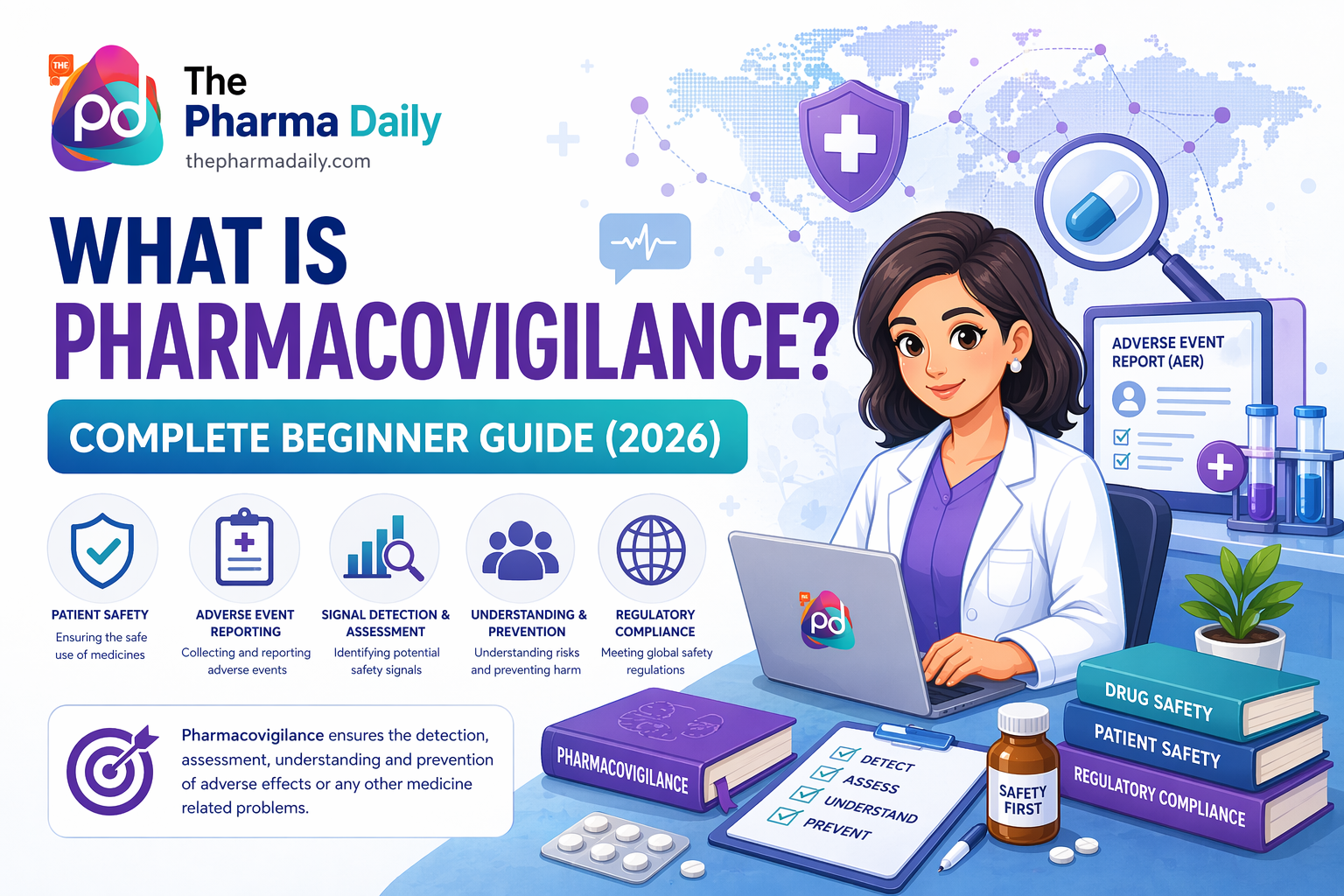
Pharmacovigilance is the science dedicated to detecting, assessing, understanding, and preventing adverse effects or any other drug-related problems. In real-world practice, pharmacovigilance ensures that once a medicine is approved and prescribed to patients, its safety continues to be monitored throughout its lifecycle.
Every adverse drug reaction reported—whether during clinical trials or after market approval—must be carefully reviewed, medically assessed, coded, documented, and reported to regulatory authorities within strict timelines. These activities help regulators decide whether a drug’s label needs updating, whether warnings should be strengthened, or whether further investigation is required.
This responsibility places pharmacovigilance professionals at the intersection of medicine, regulation, and patient safety. As a result, companies increasingly prefer candidates who have completed structured pharmacovigilance training in India and understand not just theory, but real operational workflows.
Why Pharmacovigilance Training in India Is Growing Rapidly?
India has become a global hub for pharmaceutical companies, contract research organizations (CROs), and drug safety service providers. A significant portion of global pharmacovigilance operations is now handled from India, creating consistent demand for trained professionals.
However, pharmacovigilance is not a role that can be mastered through academic degrees alone. University curricula often introduce the concept of drug safety, but they rarely prepare students for practical tasks such as ICSR case processing, MedDRA coding, regulatory reporting timelines, or safety database workflows.
This gap between academic knowledge and industry expectations has made job-oriented pharmacovigilance training a necessity. Candidates who undergo structured training gain confidence in handling real safety cases and are better equipped to meet recruiter expectations from day one.
This is exactly where platforms like ThePharmaDaily’s pharmacovigilance training in India play a critical role by bridging education with employability.
What You Actually Learn During Pharmacovigilance Training?
A comprehensive pharmacovigilance training program focuses on how drug safety functions in real pharmaceutical and CRO environments. Training typically begins by building a strong foundation in pharmacovigilance concepts, explaining how safety data flows from patients and healthcare professionals to global regulatory authorities.
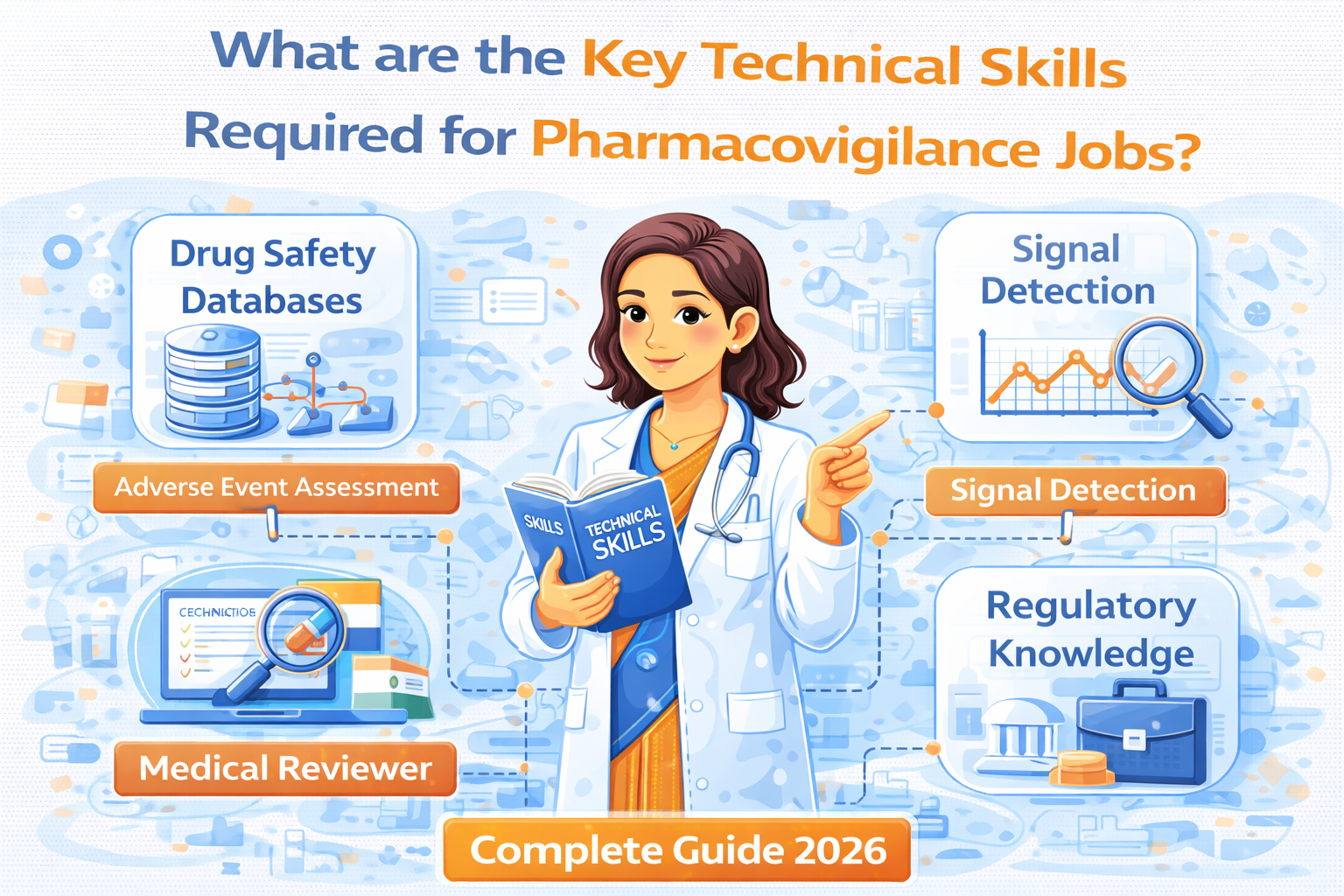
As learners progress, the focus shifts to ICSR case processing, which forms the backbone of pharmacovigilance operations. Trainees learn how individual case safety reports are received, validated, assessed for seriousness, evaluated for causality, and followed up when information is missing. Writing clear, compliant medical narratives is emphasized, as this is a critical skill evaluated during interviews.
Medical coding is another core component of pharmacovigilance training. Accurate coding using MedDRA for adverse events and WHO-DD for drugs ensures consistency in safety databases and regulatory submissions. Without proper coding skills, even clinically sound cases can fail quality checks.
In addition, trainees are introduced to global regulatory frameworks, expedited reporting timelines, E2B concepts, and the basics of aggregate safety reports such as PSURs and PBRERs. Exposure to safety database workflows and Excel-based reporting further prepares candidates for real job roles.
At ThePharmaDaily’s pharmacovigilance training, the emphasis remains firmly on practical understanding—helping learners grasp not only what tasks need to be done, but why accuracy, timelines, and compliance matter in patient safety.
Eligibility for Pharmacovigilance Training in India
One of the strongest advantages of pharmacovigilance as a career option is its broad eligibility. Unlike many specialized pharmaceutical roles, pharmacovigilance welcomes candidates from diverse educational backgrounds.
Pharmacy graduates, including B.Pharm, M.Pharm, and Pharm.D, are naturally aligned with pharmacovigilance roles. Medical graduates such as MBBS, BDS, BHMS, BAMS, and BUMS also transition successfully due to their strong clinical and medical terminology background. Life science graduates from biotechnology, microbiology, and related fields find pharmacovigilance to be a logical extension of their academic training.
Both freshers and working professionals can pursue pharmacovigilance training in India. Structured programs are designed to start from the basics and gradually move toward job-level competencies, making the field accessible even to those without prior pharmacovigilance experience.
Career Opportunities After Pharmacovigilance Training
Completing pharmacovigilance training opens doors to multiple roles across pharmaceutical companies, CROs, and drug safety service providers. Entry-level positions typically include Pharmacovigilance Associate, Drug Safety Associate, ICSR Case Processor, and PV Executive.
As professionals gain experience, they can progress into senior roles involving quality review, aggregate reporting, signal detection, regulatory submissions, and team leadership. Many Indian professionals also move into global pharmacovigilance projects, gaining exposure to international regulations and workflows.
The structured nature of pharmacovigilance careers, combined with ongoing regulatory demand, makes this field one of the most stable career paths within the pharmaceutical industry.
Salary and Long-Term Growth in Pharmacovigilance
Pharmacovigilance offers predictable salary growth compared to many other pharmaceutical roles. Entry-level professionals in India typically earn between ₹3 and ₹6 LPA. With two to five years of experience, salaries often rise to ₹6–12 LPA, while senior professionals with specialized expertise can earn significantly higher packages.
Career growth in pharmacovigilance is steady and skill-driven. Professionals who develop expertise in regulatory reporting, aggregate reports, and global safety systems often find opportunities both in India and abroad.
Why Choose ThePharmaDaily for Pharmacovigilance Training?
Choosing the right training provider can significantly influence your career trajectory. While many institutes offer pharmacovigilance courses, not all focus on real-world readiness.
ThePharmaDaily’s pharmacovigilance training in India is designed with industry expectations at its core. The program emphasizes practical exposure, real-case understanding, and career mentorship. Learners receive guidance not only on pharmacovigilance concepts but also on resume building, interview preparation, and understanding hiring patterns in the pharma industry.
What sets ThePharmaDaily apart is its integration of training with a growing pharma job ecosystem, allowing learners to stay aligned with real opportunities rather than theoretical promises.
Is Pharmacovigilance the Right Career Choice?
If you are looking for a career that combines medical knowledge, regulatory responsibility, and long-term stability, pharmacovigilance is a strong option. However, success in this field depends largely on the quality and relevance of your training.
Enrolling in structured, industry-focused pharmacovigilance training at ThePharmaDaily equips you with the skills, confidence, and clarity needed to build a sustainable career in drug safety.
Final Thoughts
Pharmacovigilance is more than a job—it is a responsibility toward patient safety and public health. As the pharmaceutical industry continues to expand and evolve, the need for trained pharmacovigilance professionals will only increase.
If you are serious about entering this field, investing in the right pharmacovigilance training in India can be the defining step that transforms your career goals into real opportunities. With practical learning, expert guidance, and career support, ThePharmaDaily helps you move from confusion to clarity—and from aspiration to action.
If you prefer to understand pharmacovigilance concepts visually, you can also watch this detailed video where the fundamentals of drug safety and pharmacovigilance careers are explained in a simplified, industry-focused manner.
▶️ Watch: Pharmacovigilance Training in India – Career, Scope & Jobs Explained