 Sign in with Google

How to Start a Career in Pharmacovigilance in India? – Complete Guide (2026)
Pharmacovigilance is no longer just a backend pharmaceutical function. It has evolved into one of the most stable, globally connected, and recession-resistant careers in the life sciences industry. With increasing regulatory scrutiny, rising adverse drug reaction reporting, and expanding global clinical trials, the demand for trained pharmacovigilance professionals in India is growing rapidly.
If you are a B.Pharm, M.Pharm, Pharm.D, BDS, BAMS, MBBS, Life Sciences, or Nursing graduate wondering how to enter drug safety, this complete guide will walk you step by step through the process.
This article is structured to help beginners understand eligibility, required skills, pharmacovigilance training options, certifications, job roles, salary expectations, and practical strategies to secure a job in pharmacovigilance in India.
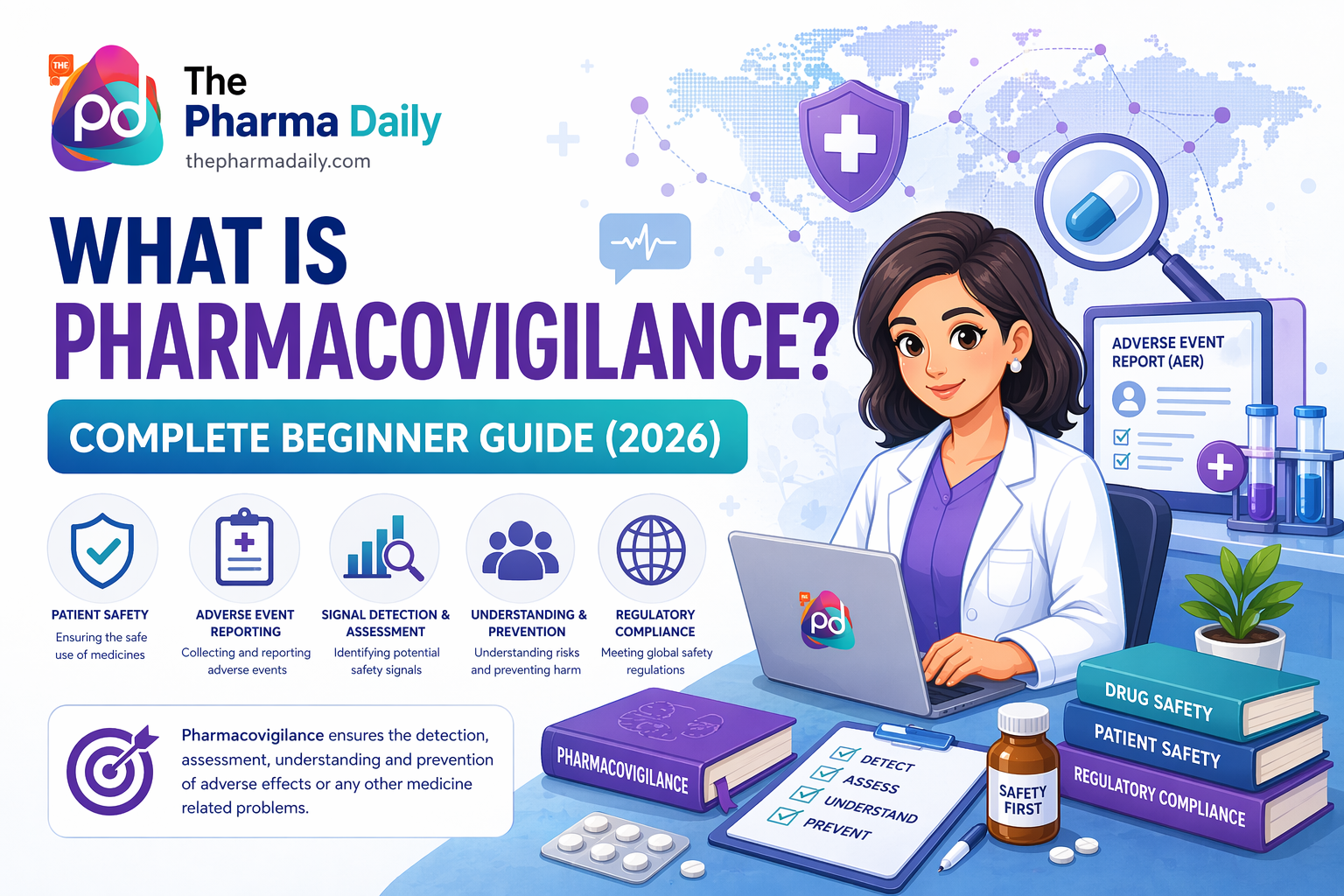
What is Pharmacovigilance?
Pharmacovigilance (PV) is the science and activities related to detecting, assessing, understanding, and preventing adverse effects or any other drug-related problems.
It ensures that medicines available in the market remain safe and effective throughout their lifecycle.
In India, pharmacovigilance plays a crucial role under the Pharmacovigilance Programme of India (PvPI), while globally it aligns with US FDA, EMA, MHRA, and ICH guidelines.
Why Pharmacovigilance is a High-Growth Career in India?
India has become a global hub for pharmacovigilance outsourcing. Multinational pharmaceutical companies, CROs, and IT giants have established large drug safety operations in cities like Pune, Bangalore, Hyderabad, Mumbai, and Noida.
Key growth drivers:
- Expansion of global clinical trials
- Increasing ADR reporting requirements
- Stricter regulatory compliance
- Risk management plans and signal detection expansion
- AI integration in drug safety systems
This growth means structured pharmacovigilance training is no longer optional — it is essential.
Who Can Start a Career in Pharmacovigilance?
You are eligible if you belong to:
- B.Pharm / M.Pharm
- Pharm.D
- BDS
- MBBS / BHMS / BAMS
- Life Sciences (Biotech, Microbiology, Zoology, etc.)
- Nursing / Paramedical backgrounds
However, degree alone is not enough. Recruiters prioritize candidates who have completed structured pharmacovigilance training with practical exposure to ICSR processing, seriousness assessment, case validity, MedDRA coding, narrative writing, and regulatory timelines.
If you are serious about entering this field, enrolling in industry-oriented pharmacovigilance training becomes the turning point.
You can explore structured job-oriented pharmacovigilance training here:
https://thepharmadaily.com/pharmacovigilance-training
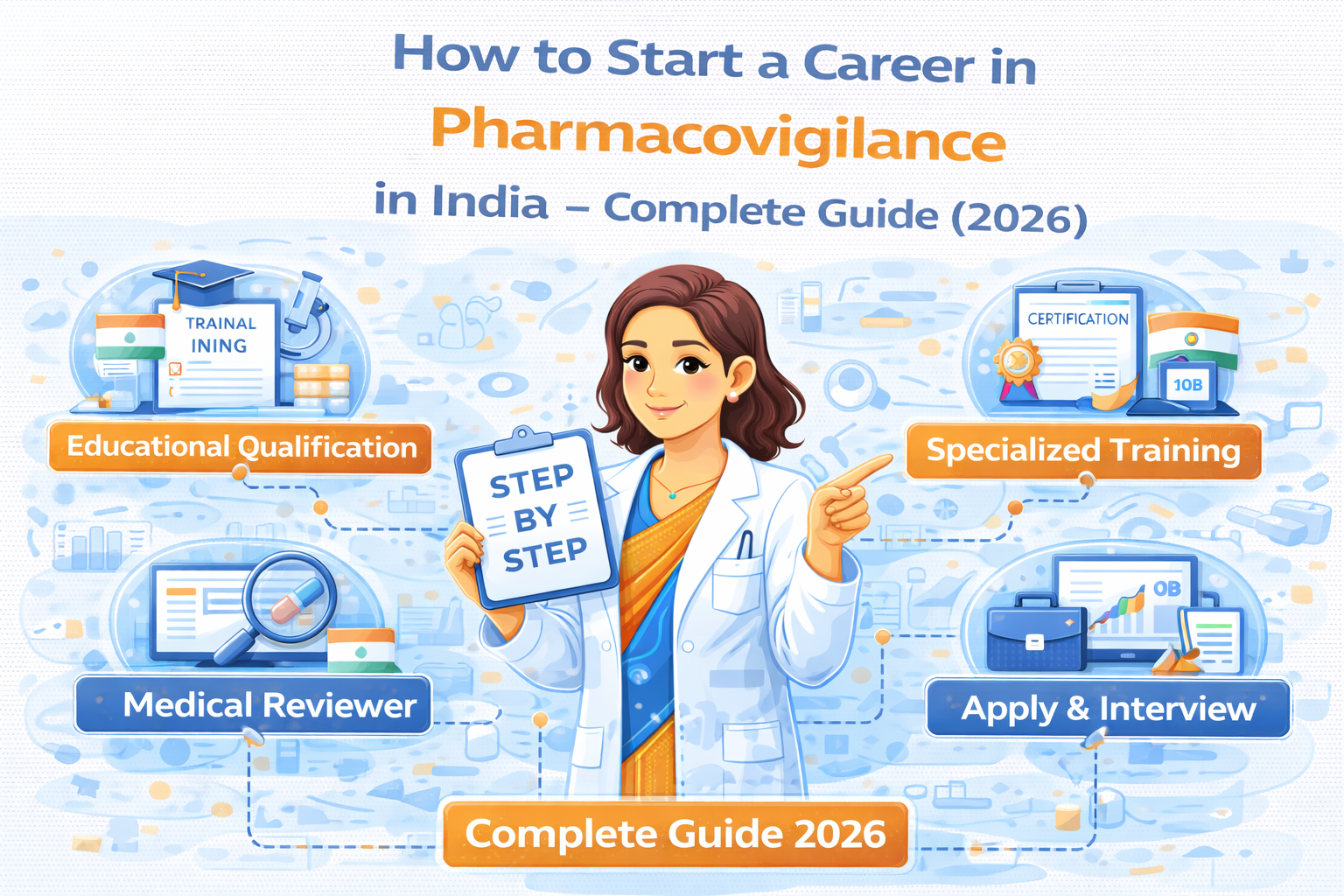
Step-by-Step Roadmap to Start a Pharmacovigilance Career in India
Step 1: Understand Core Concepts
Before applying for jobs, you must understand:
- What is an Adverse Drug Reaction (ADR)?
- What is an Individual Case Safety Report (ICSR)?
- Four minimum criteria for case validity
- Seriousness criteria
- Expectedness
- Causality assessment
- Day 0 and regulatory reporting timelines
- MedDRA hierarchy
- Narrative writing structure
This foundational knowledge is covered in structured pharmacovigilance training programs.
Step 2: Enroll in Practical Pharmacovigilance Training
The biggest mistake freshers make is relying only on theory.
Companies expect practical exposure to:
- ICSR data entry
- Case processing workflow
- Triage and duplicate check
- Literature case handling
- Email case handling
- Argus or ARISg safety database overview
- MedDRA coding practice
- Regulatory submission basics
If you want hands-on learning aligned with real company expectations, industry-oriented pharmacovigilance training from ThePharmaDaily bridges the gap between academic knowledge and job readiness.
Explore full course structure here:
https://thepharmadaily.com/pharmacovigilance-training
This pharmacovigilance training is designed specifically for Indian job market requirements and global PV standards.
Step 3: Build a Targeted Pharmacovigilance Resume
Your resume must include:
- Clear objective mentioning pharmacovigilance
- Core competencies: ICSR processing, seriousness assessment, MedDRA coding
- Regulatory knowledge: ICH, GVP, FDA basics
- Software exposure (if trained)
- Internship or project experience
Candidates who complete structured pharmacovigilance training often get better resume positioning because they can confidently showcase practical case handling exposure.
Step 4: Apply Strategically for Entry-Level Roles
Entry-level job titles include:
- Drug Safety Associate
- Pharmacovigilance Associate
- PV Case Processor
- Safety Data Associate
- ICSR Executive
Apply via:
- Naukri
- Company career portals
- ThePharmaDaily job portal (
https://thepharmadaily.com/jobs/ )
Your chances increase significantly if you have completed certified pharmacovigilance training and can answer scenario-based interview questions.
Key Skills Required in Pharmacovigilance
To succeed in drug safety, you must develop:
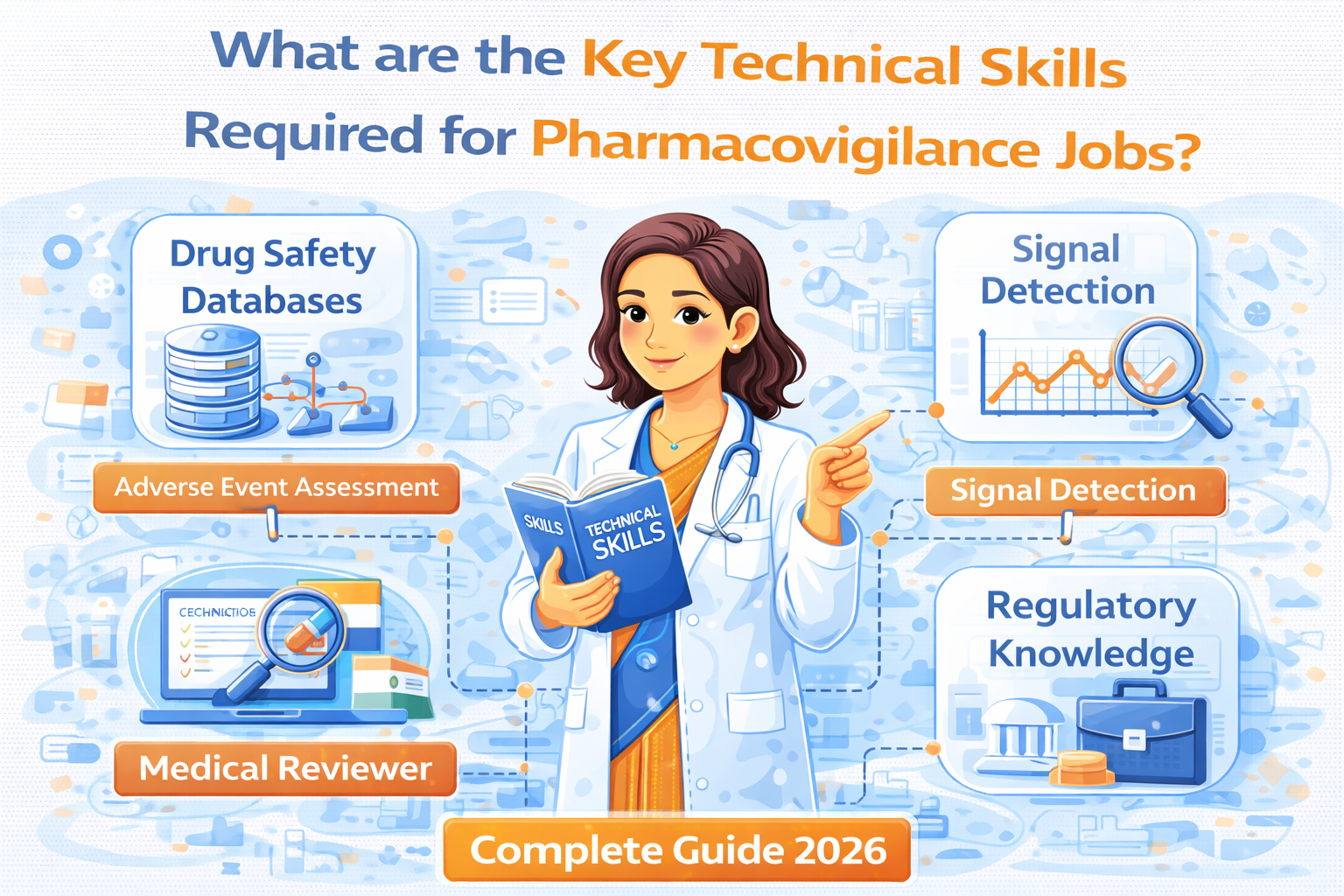
Technical Skills
- ICSR processing
- Seriousness determination
- Narrative writing
- MedDRA coding
- Regulatory timelines
- Signal detection basics
Soft Skills
- Attention to detail
- Medical writing clarity
- Analytical thinking
- Documentation accuracy
- Time management
Structured pharmacovigilance training programs integrate both technical and professional skill development to prepare candidates for real corporate environments.
You can review detailed curriculum here:
https://thepharmadaily.com/pharmacovigilance-training
Salary Expectations in Pharmacovigilance in India (2026)
- Entry Level (0–1 year): 3.0 to 4.5 LPA
- 1–3 Years: 4.5 to 7 LPA
- Senior Associate / Specialist: 7 to 12 LPA
- Team Lead / Manager: 12 to 25 LPA+
Salary depends heavily on:
- Quality of pharmacovigilance training
- Interview performance
- Communication skills
- Exposure to global guidelines
Common Mistakes Freshers Make
- Applying without pharmacovigilance training
- Memorizing definitions instead of understanding workflow
- Ignoring seriousness criteria practice
- Not preparing case-based interview questions
- Poor resume positioning
Pharmacovigilance is a skill-based domain. Recruiters assess practical understanding more than textbook definitions.
Why Structured Pharmacovigilance Training is Critical?
The gap between college curriculum and industry requirements is significant.
Structured pharmacovigilance training provides:
- Real case studies
- Mock ICSRs
- Interview preparation
- Resume guidance
- Regulatory exposure
- Practical assignments
- Live doubt-solving sessions
If you want job-oriented pharmacovigilance training aligned with current industry hiring trends, explore ThePharmaDaily’s program here:
https://thepharmadaily.com/pharmacovigilance-training
ThePharmaDaily pharmacovigilance training focuses on employability, not just certification.
Future Scope of Pharmacovigilance in India
The future of pharmacovigilance includes:
- AI-assisted case processing
- Automated signal detection
- Risk management plan expansion
- Aggregate reporting growth
- Global regulatory harmonization
Professionals with strong pharmacovigilance training and adaptability to technology will lead the next phase of drug safety careers.
Final Thoughts
Starting a career in pharmacovigilance in India is not complicated — but it requires the right direction, structured pharmacovigilance training, and consistent practice.
The industry rewards those who are technically strong, detail-oriented, and interview-ready.
If you are ready to enter drug safety with clarity and confidence, begin with structured, job-focused pharmacovigilance training that prepares you for real-world case processing and interviews.
Explore the complete pharmacovigilance training program here:
https://thepharmadaily.com/pharmacovigilance-training
Your journey into drug safety begins with the right foundation. Choose training wisely. Build skills deeply. Apply strategically.
Pharmacovigilance is not just a job. It is responsibility, science, compliance, and patient safety combined.
And the right pharmacovigilance training can transform your career trajectory.