 Sign in with Google


Is Pharmacovigilance a Good Career in 2026? Salary, Growth & the Real Truth
If you are exploring career options in the pharmaceutical and healthcare industry and find yourself asking, “Is pharmacovigilance a good career in 2026?”, you are not alone. This question is being asked daily by pharmacy students, life science graduates, medical professionals, and even working pharma executives who are reassessing long-term career stability.
The relevance of pharmacovigilance has grown steadily over the past decade, but as we move into 2026, its importance has reached an entirely new level. What was once considered a backend compliance function is now a strategic necessity for pharmaceutical companies across the globe.
This blog will help you understand—clearly and honestly—whether pharmacovigilance is a good career choice in 2026, what kind of salary and growth you can realistically expect, and why pharmacovigilance training plays a decisive role in career success.
Understanding Pharmacovigilance in Today’s Pharma Industry
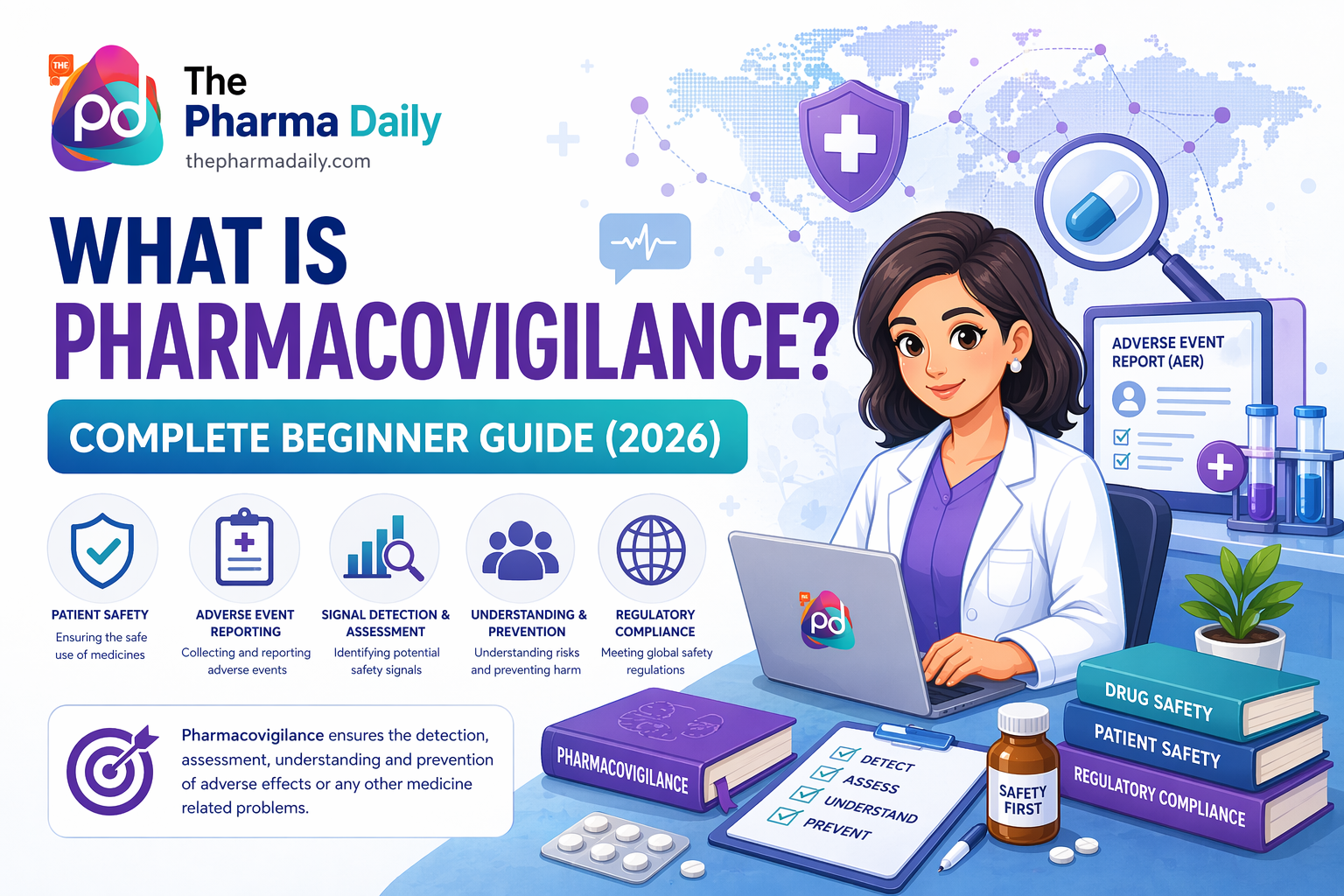
Pharmacovigilance is the science and practice of monitoring the safety of medicines after they are approved for use. It focuses on identifying, evaluating, and preventing adverse drug reactions and other safety-related issues that may emerge once a drug is used by real patients.
In earlier years, pharmacovigilance was often viewed as a regulatory obligation. Today, it is a critical safeguard for patient safety, brand reputation, and regulatory compliance. With the rapid introduction of complex therapies such as biologics, biosimilars, vaccines, and gene-based treatments, global regulators now demand stronger post-marketing surveillance than ever before.
This shift has fundamentally changed how companies view pharmacovigilance professionals. In 2026, pharmacovigilance teams are no longer optional—they are essential.
Is Pharmacovigilance a Good Career in 2026? A Practical Perspective
The short answer is yes—pharmacovigilance is a very good career in 2026, provided you approach it with the right mindset and preparation.
Pharmacovigilance offers something many other pharma roles struggle to provide today: long-term relevance. Drug safety is not influenced by market trends, sales cycles, or seasonal demand. As long as medicines exist, pharmacovigilance will remain mandatory.
However, it is important to be clear about one thing. Pharmacovigilance is not a shortcut career where basic qualifications alone guarantee success. It is a skill-driven profession, and candidates who invest in structured, industry-aligned pharmacovigilance training consistently outperform those who rely only on theoretical knowledge.
Pharmacovigilance Career Scope in India and Globally
India has emerged as one of the world’s largest hubs for pharmacovigilance operations. Global pharmaceutical companies and CROs increasingly rely on Indian teams for ICSR case processing, medical coding, regulatory reporting, and safety data management.
As a result, the career scope for pharmacovigilance professionals in India continues to expand. Entry-level roles such as Pharmacovigilance Associate or Drug Safety Associate act as strong foundations, while experienced professionals can progress into senior safety scientist roles, aggregate reporting, signal detection, and even global leadership positions.
At ThePharmaDaily, hiring data from the pharma job ecosystem clearly shows that pharmacovigilance roles remain among the most stable and consistently available opportunities, even when other pharma sectors face hiring slowdowns.
Pharmacovigilance Salary in India: What to Expect in 2026
Salary is often a deciding factor when choosing a career, and pharmacovigilance offers competitive compensation, especially when compared to other non-sales pharma roles.
In 2026, freshers entering pharmacovigilance roles can typically expect salaries ranging from ₹3 to ₹6 LPA, depending on their skill level and training background. Professionals with two to five years of experience often see their compensation rise to ₹6–12 LPA, while senior and globally exposed roles can cross ₹15 LPA.
What makes the biggest difference is not the degree alone, but the quality of pharmacovigilance training, hands-on exposure to ICSR case processing, MedDRA coding, and understanding of regulatory timelines. Candidates trained through job-oriented programs generally command better salaries and faster career progression.
Who Should Consider Pharmacovigilance as a Career?
Pharmacovigilance is particularly well-suited for individuals who prefer analytical, documentation-driven work and want to build a stable corporate career within the pharmaceutical industry. It appeals to professionals who value accuracy, compliance, and structured workflows over field-based or sales-oriented roles.
Graduates from pharmacy, life sciences, and medical backgrounds—including B.Pharm, M.Pharm, Pharm.D, MBBS, BDS, BAMS, BHMS, and MSc Life Sciences—can all transition successfully into pharmacovigilance with the right pharmacovigilance training.
Freshers often hesitate, assuming experience is mandatory. In reality, companies expect trained freshers, not untrained ones. That distinction is critical.
Why Pharmacovigilance Training Is the Real Career Differentiator
One of the most common misconceptions is that certificates alone are enough. In reality, recruiters assess whether candidates understand real-world pharmacovigilance workflows—how cases are processed, how seriousness is assessed, how narratives are written, and how regulatory deadlines are managed.
This is where structured, practical pharmacovigilance training becomes essential. Training programs that simulate industry workflows, provide real case scenarios, and prepare candidates for interviews dramatically improve employability.
At ThePharmaDaily, pharmacovigilance training is designed with this exact objective—to convert academic knowledge into job-ready skills.
If you are considering this career seriously, exploring a structured program like this is a logical first step:
👉 https://thepharmadaily.com/pharmacovigilance-training
Watch: Is Pharmacovigilance a Good Career in 2026? (YouTube Video)
To complement this blog, we have also explained this topic in detail through a dedicated YouTube video, where career scope, salary, and future trends are discussed in a simplified manner.
🎥 Watch here:
👉 https://youtu.be/NWcTuEZ_6Mo
Embedding video-based learning alongside written content helps candidates gain clarity faster and aligns with how modern learners consume information.
Long-Term Growth and Career Stability in Pharmacovigilance
Unlike many trending career options that peak quickly, pharmacovigilance offers sustainable growth. As regulatory expectations increase globally, professionals who continuously upskill and stay aligned with international guidelines remain in demand.
With experience, pharmacovigilance professionals can transition into specialized domains such as risk management, signal detection, aggregate reporting, and global safety strategy. These roles offer not only higher compensation but also international exposure and leadership opportunities.
Final Verdict: Is Pharmacovigilance Worth It in 2026?
Pharmacovigilance is not a hype-driven career—it is a future-proof profession built on regulatory necessity and patient safety. For candidates who are willing to invest in proper pharmacovigilance training, develop real skills, and approach the field with professionalism, the rewards are substantial.
If your goal is a stable, respected, and globally relevant career in the pharmaceutical industry, pharmacovigilance remains one of the smartest choices in 2026.
To begin the journey the right way, start with structured, industry-aligned pharmacovigilance training from ThePharmaDaily:
👉 https://thepharmadaily.com/pharmacovigilance-training