
 Sign in with Google
What is Pharmacovigilance?
Definition
Pharmacovigilance is a branch of healthcare that focuses on the detection, assessment, understanding, and prevention of adverse effects or any other drug-related problems associated with pharmaceutical products. It plays a crucial role in ensuring drug safety and protecting public health.
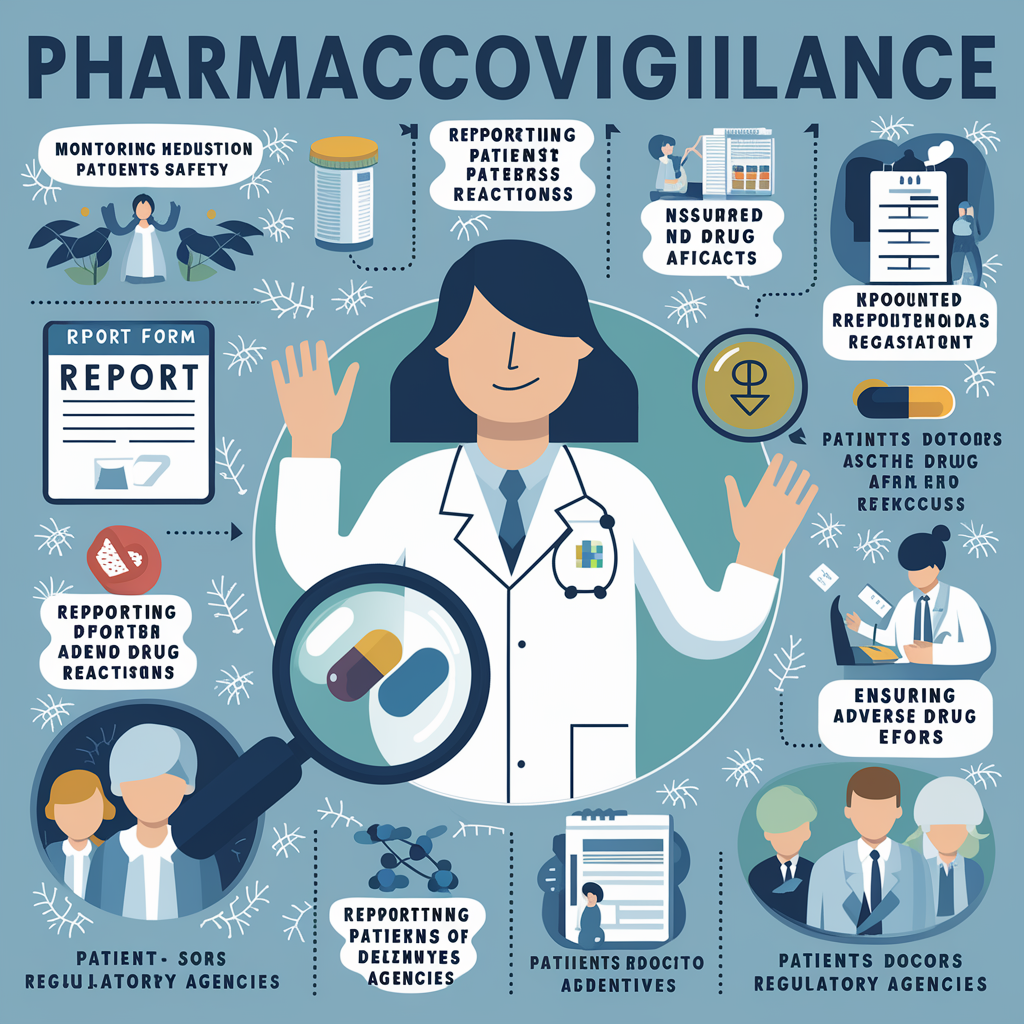
The main objectives of pharmacovigilance are as follows:
1. Adverse Drug Event (ADE) Monitoring: Pharmacovigilance involves continuous drug monitoring once approved and made available in the market. This helps identify any previously unrecognized side effects or adverse reactions that may not have been evident during the drug's clinical trials.
2. Safety Signal Detection: Pharmacovigilance professionals use various methods and tools to detect potential safety signals, which are associations between drugs and adverse events that may require further investigation.
3. Risk Assessment and Evaluation: Pharmacovigilance experts assess drug risks and evaluate the benefits versus the potential harms. This information is crucial for healthcare professionals and regulatory authorities in making informed decisions about the use of specific drugs.
4. Communication and Information Dissemination: Pharmacovigilance involves the timely and accurate communication of safety information to healthcare professionals, patients, and regulatory authorities. This ensures that relevant parties are aware of any emerging safety concerns related to a particular drug.
5. Post-Marketing Surveillance: After a drug is approved and reaches the market, pharmacovigilance remains active in monitoring its safety profile on an ongoing basis. This is particularly important since clinical trials may not capture all possible side effects or interactions with other drugs.
6. Regulatory Compliance: Pharmaceutical companies and regulatory authorities work together to ensure compliance with pharmacovigilance regulations and guidelines to maintain the highest level of drug safety.
Pharmacovigilance is a collaborative effort that involves healthcare professionals, pharmaceutical companies, regulatory agencies, and patients. By continuously monitoring and evaluating drug safety, pharmacovigilance contributes to the improvement of healthcare systems and patient outcomes.
